OPEN SHELTER HOME
An Open Shelter Home is a community-based residential facility that provides temporary/ permanents care and protection to children in difficult circumstances such as street children, runaways, working children, children separated from families, or those at risk of abuse and exploitation.
The key goal is rehabilitation and reintegration of children into their families and communities, ensuring their safety, education, and holistic development.
1. Objectives
To provide a safe, child-friendly environment for children in need of care and protection.
To reduce vulnerability of children living or working on the streets.
To prevent neglect, abuse, and exploitation.
To mainstream children through education, vocational training, and family reintegration.
To act as a drop-in center offering shelter, counseling, and basic services.
2. Target Group
Street and working children.
Runaway or missing children.
Children from families facing crisis or conflict.
Children rescued from child labour, begging, or abuse.
Garbage collecting children
Children from signals, Bridges and Railway stations
Any child temporarily needing a safe place for care and support.
3. Core Services Provided
A. Shelter & Basic Needs
Safe day and night shelter (temporary or short stay).
Nutritious meals, safe drinking water, and clothing.
Hygiene, sanitation, and sleeping arrangements.
B. Education & Skill Development
Non-formal education or bridge courses.
Assistance with school enrolment or re-enrolment.
Vocational training and life skills sessions.
C. Health & Nutrition
Regular health check-ups and immunization.
Counseling on hygiene and nutrition.
Referral to hospitals for medical treatment.
D. Emotional & Psychological Support
Individual and group counseling.
Recreational and creative activities (sports, art, music).
Building self-esteem and social confidence.
E. Family Tracing & Reintegration
Social investigation and home visits.
Family counseling and mediation.
Reintegration of children into their families, wherever possible.
F. Protection & Legal Support
Rescue operations in coordination with Childline/Police/CWC.
Production of children before the Child Welfare Committee (CWC).
Legal aid and follow-up for child rights violations.
4. Coordination & Networking
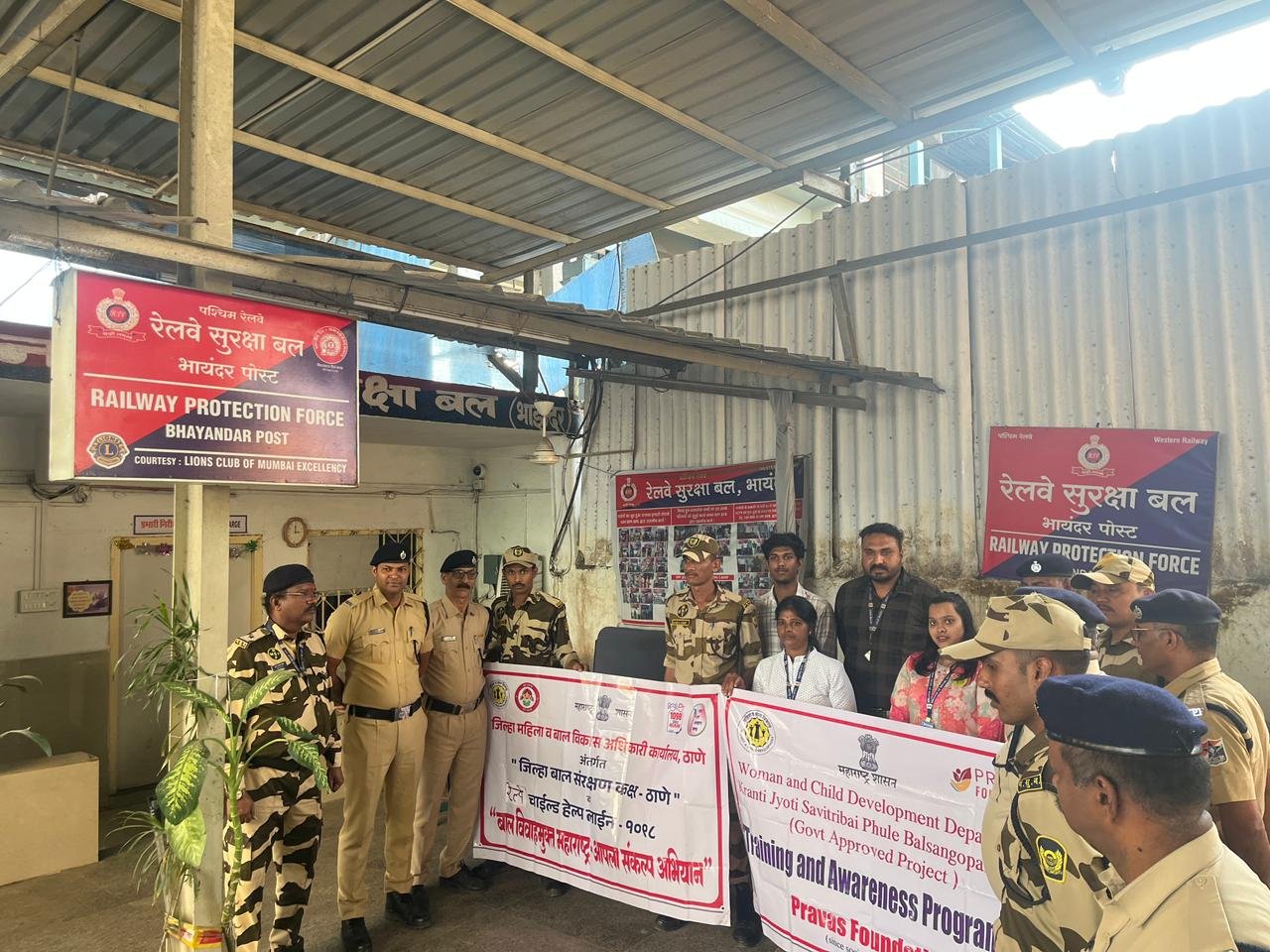
Collaboration with Childline 1098, Police, CCI, CWC, District Child Protection Unit (DCPU), schools, Local Governing administration and hospitals.
Partnership with NGOs and community organizations for referral, education, and skill programs.
5. Monitoring & Documentation
Maintenance of admission, attendance, and case history records.
Regular reports to CWC and DCPU.
Periodic assessment of children’s progress and reintegration outcomes.
Financial and program audits.
6. Outcome & Impact
Reduced number of children on the streets.
Improved access to education and healthcare.
Successful family reunification and rehabilitation.
Empowered children with better life and vocational skills.
7. Funding and Support
Usually supported by CSR funds, individual donors, and foundations.
Donations often cover food, education materials, clothing, vocational tools, and infrastructure maintenance.

_11282025093552.jpeg)